Top Benefits of BPC-157
What Is BPC-157?
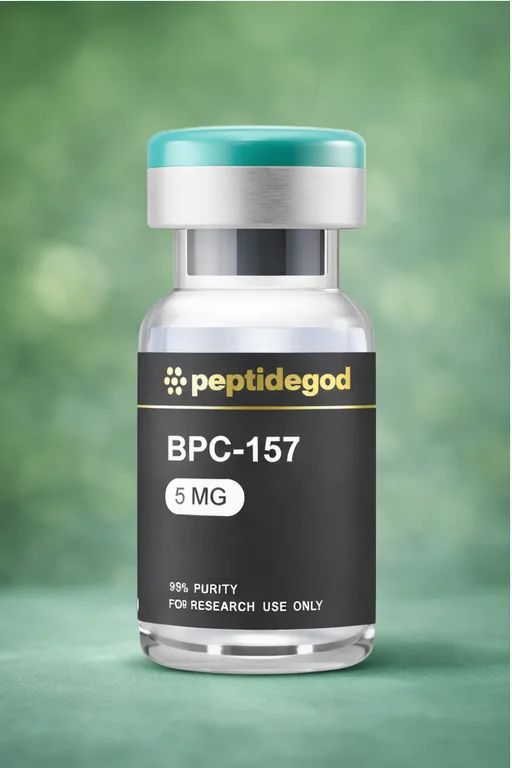
BPC-157, short for Body Protection Compound-157, is a synthetic pentadecapeptide composed of 15 amino acids. It is derived from a protective protein naturally found in gastric juice. Unlike many compounds studied in the wellness and regenerative research space, BPC-157 is notable for its stability in human gastric juice and its apparent ability to exert systemic effects when administered either locally or systemically. Researchers have investigated it extensively in animal models, where it consistently demonstrates a broad spectrum of tissue-protective and repair-promoting actions. Understanding the full range of bpc 157 benefits requires examining how the peptide interacts with multiple biological systems simultaneously.
Accelerated Tissue and Wound Healing
One of the most consistently documented areas of BPC-157 research involves its effect on tissue repair. Preclinical studies show that BPC-157 significantly accelerates the healing of tendons, ligaments, muscles, and skin. The peptide appears to upregulate growth hormone receptors in tendon fibroblasts, which may explain the enhanced rate of tendon-to-bone healing observed in rodent models. In muscle tissue, BPC-157 has been shown to counteract damage caused by toxins, crush injuries, and surgical incisions.
Research also points to BPC-157 stimulating the formation of new blood vessels through a process called angiogenesis. By promoting the growth of new vasculature around injured tissue, the peptide may improve oxygen and nutrient delivery to sites of damage — a critical factor in accelerating recovery timelines. This vascular mechanism is considered central to many of the observed bpc 157 benefits across different tissue types.
Gastrointestinal Protection and Repair
BPC-157 was originally studied in the context of gastric health, and the gastrointestinal tract remains one of the most well-researched areas of its activity. Animal studies have demonstrated that BPC-157 can protect the stomach lining against damage from NSAIDs, alcohol, and other ulcerogenic agents. It appears to promote the healing of gastric ulcers, intestinal fistulas, and inflammatory bowel conditions in preclinical models.
The peptide also appears to modulate nitric oxide synthesis in the gut, which plays a role in regulating blood flow to the intestinal mucosa. This mechanism may contribute to its ability to maintain mucosal integrity under conditions of physiological stress. Researchers have noted that systemic administration produces effects not only locally in the stomach but along the entire length of the gastrointestinal tract, suggesting a broad protective role.
Neurological and Brain Health Research
An emerging area of BPC-157 investigation involves the central and peripheral nervous systems. Preclinical data suggests the peptide may support recovery from traumatic brain injury, spinal cord damage, and peripheral nerve lesions. In rodent models, BPC-157 administration has been associated with reduced neurological deficit scores following induced brain trauma and improved motor function after spinal cord injury.
There is also evidence that BPC-157 interacts with dopaminergic and serotonergic pathways. Some studies indicate it may help normalize neurotransmitter activity disrupted by chronic stress or substance exposure. This makes BPC-157 a subject of interest in research on mood regulation and neuroprotection, though human trials remain limited and conclusions in this area are preliminary.
Anti-Inflammatory and Systemic Effects
Chronic inflammation underlies a wide range of degenerative conditions, and researchers have examined whether BPC-157 may help modulate inflammatory cascades. In multiple animal models, the peptide has demonstrated the ability to reduce markers of systemic and local inflammation without the immunosuppressive side effects associated with corticosteroid treatments. This positions it as a compound of interest for research into conditions where inflammation-driven tissue degradation is a primary concern.
The full scope of bpc 157 benefits at the systemic level remains an active area of inquiry. Some researchers hypothesize that BPC-157 acts as a kind of biological stabilizer — capable of restoring homeostasis across multiple organ systems when physiological balance is disrupted. Its apparent multi-target mechanism, affecting nitric oxide pathways, growth factor signaling, and vascular integrity simultaneously, distinguishes it from single-pathway compounds.
Current Research Status and Considerations
As of now, the majority of BPC-157 research has been conducted in rodent models. Human clinical trials are limited, and the compound has not been approved by any major regulatory body for therapeutic use. Researchers and clinicians interested in this peptide should review the available preclinical literature critically and recognize that animal findings do not always translate directly to human outcomes.
- Most existing studies are short-term animal models
- Optimal dosing protocols for human research have not been established
- Route of administration may significantly affect bioavailability and outcomes
- Long-term safety data in humans is not yet available
This article is intended for informational and research purposes only. It does not constitute medical advice, and BPC-157 should not be used for self-treatment or human consumption outside of formally supervised research contexts.
 30 capsules.webp)
 60 capsules.webp)