Brain & Neuro Benefits
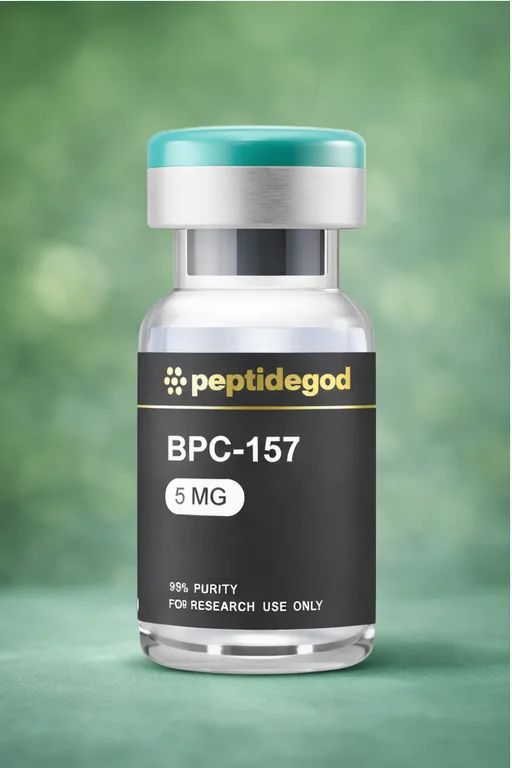
BPC-157 is a synthetic fifteen-amino-acid peptide derived from a protein found in gastric juice. While initial research focused on musculoskeletal and gastrointestinal repair, preclinical data increasingly points to significant activity in the nervous system. Researchers cataloguing bpc 157 benefits have identified effects spanning neuroprotection, peripheral nerve regeneration, and neurotransmitter modulation, making the peptide a growing subject of interest in neurological research.
Neuroprotection and Oxidative Stress
Oxidative damage is a primary driver of neuronal injury across ischemic events, traumatic brain injury, and chronic neurodegeneration. In rodent ischemia-reperfusion models, BPC-157 significantly reduced infarct volume while preserving behavioral function compared to controls. The peptide upregulates endogenous antioxidant enzymes — including superoxide dismutase and catalase — in damaged brain tissue, limiting lipid peroxidation in neuronal membranes and preserving structural integrity at the cellular level. It also modulates nitric oxide synthase activity, normalizing NO production rather than simply suppressing it, which helps maintain cerebrovascular tone while reducing excitotoxicity in the surrounding tissue.
Peripheral Nerve Regeneration
In sciatic nerve transection and crush injury models, BPC-157-treated animals showed significantly faster recovery of motor and sensory function relative to untreated controls. Histological analysis of recovered tissue revealed improved myelin sheath integrity, greater axon density, and enhanced Schwann cell activity in treated groups. The mechanism is closely linked to upregulation of vascular endothelial growth factor (VEGF) signaling, which drives angiogenesis in the nerve microenvironment and improves oxygen and nutrient delivery during axonal regrowth. Among the preclinical bpc 157 benefits that have drawn translational interest, this regenerative effect on peripheral nerves stands out given the limited pharmacological options currently available for peripheral neuropathy.
Dopaminergic and Serotonergic Modulation
BPC-157 demonstrates an unusual bidirectional influence on major neurotransmitter systems. In dopaminergic models, it counteracts both pharmacological receptor antagonism and the neurotoxic effects of 6-OHDA, a compound that selectively destroys dopamine-producing neurons. This points toward a stabilizing action on dopamine circuitry rather than the direct agonism seen with conventional drugs. In serotonin research, the peptide attenuated behaviors associated with both excess serotonergic activity — as in serotonin syndrome models — and serotonin depletion states, a bidirectional profile that is mechanistically unusual. Researchers have proposed that indirect modulation through nitric oxide cross-talk, rather than direct receptor binding, underlies this activity. The findings have generated interest in mood-disorder research contexts, though no human clinical trials have yet been conducted for these indications.
Neuroinflammation and the Brain-Gut Axis
BPC-157's origin as a gastric peptide gives it particular relevance to the brain-gut axis — the bidirectional signaling network connecting the enteric nervous system to the central nervous system. Chronic gut inflammation is now recognized as a driver of microglial activation and elevated pro-inflammatory cytokine levels in the brain. BPC-157's well-documented anti-inflammatory effects at the mucosal level may therefore reduce neuroinflammatory signaling through an indirect route, a mechanism increasingly examined in microbiome and neuro-gastroenterology research. Direct central effects have also been observed: in traumatic brain injury models, BPC-157 reduced markers of microglial activation and decreased cortical expression of TNF-alpha and IL-6, with concurrent improvements in spatial memory performance on maze tasks — suggesting a functional link between the anti-inflammatory action and cognitive recovery.
Summary of Preclinical Neurological Findings
- Reduced infarct volume in ischemia-reperfusion models with preserved motor function
- Accelerated sciatic nerve recovery with improved myelin sheath integrity and axon density
- Counteraction of 6-OHDA-induced dopaminergic neurotoxicity in rodent models
- Bidirectional modulation of serotonergic pathways without evidence of direct receptor binding
- Decreased TNF-alpha and IL-6 in cortical tissue following traumatic brain injury
- Enhanced VEGF signaling supporting angiogenesis in peripheral nerve repair microenvironments
Ongoing studies continue to expand understanding of bpc 157 benefits in neurological contexts, applying the peptide to new injury models and mechanistic investigations. All data summarized here derives from in vitro and animal research. No human clinical trials for neurological indications have been completed, and the compound is not approved for therapeutic use. This article is intended for informational and research purposes only and does not constitute medical advice.
 30 capsules.webp)
 60 capsules.webp)