Athletic Recovery Benefits
Understanding Recovery as a Performance Variable
Recovery is not passive. It is an active biological process that determines how quickly an athlete can return to full training capacity after stress, injury, or intense exertion. Muscle fiber repair, connective tissue remodeling, inflammatory resolution, and neuromuscular restoration all occur on specific timelines governed by cellular signaling, nutrient availability, and the body's endogenous repair machinery. When that machinery is optimized, athletes train harder, progress faster, and sustain fewer chronic injuries. When it is impaired, overtraining syndrome, tendinopathy, and incomplete healing accumulate into compounding setbacks.
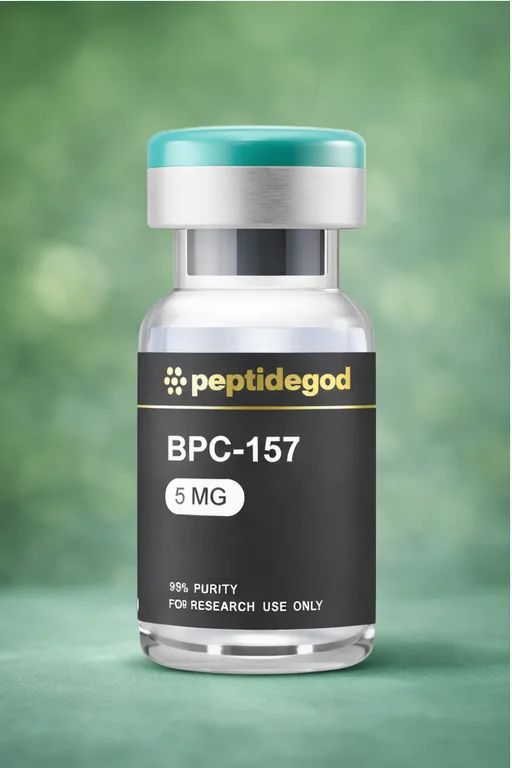
Research into recovery-targeted compounds has expanded significantly over the past two decades. Among the most studied peptides in this context is BPC-157, a synthetic 15-amino-acid sequence derived from a protective gastric protein. Scientists investigating bpc 157 benefits have focused heavily on its apparent role in upregulating growth hormone receptors, promoting angiogenesis, and modulating nitric oxide pathways — all mechanisms directly relevant to athletic tissue repair.
Tendon and Ligament Repair
Tendons and ligaments are notoriously slow-healing structures due to their low vascularity. Blood supply to these tissues is limited compared to muscle, which means that inflammatory mediators clear slowly and fibroblast recruitment is often insufficient for timely collagen deposition. This biological reality underlies why Achilles tendinopathy, rotator cuff injuries, and ACL damage can sideline athletes for months or years.
Preclinical studies have examined how BPC-157 influences tendon-to-bone healing and ligament integrity. Research in rodent models demonstrated accelerated collagen organization and increased fibroblast proliferation at injury sites following peptide administration. The proposed mechanism involves activation of the FAK-paxillin pathway, which governs cell migration toward damaged tissue. For athletes dealing with chronic tendon stress or post-surgical recovery protocols, these findings have driven significant interest in BPC-157 as a research compound.
Muscle Tissue Regeneration
Satellite Cell Activity
Skeletal muscle repair depends on satellite cells — stem-like progenitor cells that reside along muscle fibers and activate in response to mechanical damage. After intense resistance training or acute muscle tears, satellite cells proliferate, differentiate, and fuse with existing fibers to restore structural integrity. Factors that accelerate satellite cell recruitment or reduce apoptosis at the injury site translate directly into faster functional recovery.
Anti-Inflammatory Modulation
Inflammation following exercise is necessary but must resolve efficiently. Prolonged inflammatory states suppress satellite cell activity and delay myofibril reconstruction. BPC-157 has shown the ability to attenuate excessive inflammatory responses without fully suppressing the acute phase, suggesting a modulatory rather than suppressive mechanism. This distinction matters for athletes: complete suppression of inflammation blunts adaptation, while targeted modulation accelerates it.
Joint and Cartilage Research
High-impact and high-volume sports place sustained mechanical load on articular cartilage, a tissue with even lower regenerative capacity than tendon. Chondrocytes do not replicate readily in adults, and cartilage lacks both blood vessels and lymphatic drainage. Degradation outpaces repair in most overuse scenarios, contributing to the high prevalence of osteoarthritis among former competitive athletes.
Studies investigating bpc 157 benefits at the joint level have looked at synovial inflammation, chondrocyte survival under oxidative stress, and subchondral bone remodeling. Early animal research suggested that the peptide may help preserve cartilage matrix components by limiting the activity of matrix metalloproteinases — enzymes responsible for extracellular matrix breakdown. While human trials remain limited, these mechanistic insights position BPC-157 as a compound of ongoing interest for joint preservation research.
Systemic Recovery Factors
- Gut-muscle axis: BPC-157 originates from gastric juice and has demonstrated gastroprotective effects, supporting the growing research interest in intestinal permeability as a driver of systemic inflammation that impairs recovery.
- Neuromuscular recovery: Preliminary data suggest interactions with dopaminergic and serotonergic pathways, which influence motivation, sleep architecture, and pain sensitivity — all factors that determine subjective recovery quality.
- Angiogenesis: New capillary formation at injury sites improves oxygen and nutrient delivery, accelerating the later stages of tissue repair regardless of the initial injury type.
- Nitric oxide modulation: By influencing NO synthase activity, BPC-157 may support vascular tone regulation, a factor relevant to both acute injury response and chronic training adaptation.
Research Context and Practical Limitations
The majority of existing data on bpc 157 benefits comes from in vitro cell studies and in vivo rodent models. While the mechanistic evidence is compelling and internally consistent across multiple research groups, human pharmacokinetic data remains sparse. Dosing parameters, optimal administration routes, and long-term safety profiles in humans have not been established through controlled clinical trials. All investigations into this compound occur within a research context, and any application outside of formal scientific study should be approached with this limitation clearly understood.
Athletic recovery science continues to evolve rapidly. BPC-157 represents one line of inquiry within a broader effort to understand how targeted molecular interventions might support the biological processes that determine whether athletes recover fully or accumulate subclinical damage over time. The research to date justifies continued investigation, even as it underscores the need for rigorous human trials before firm conclusions can be drawn.
 30 capsules.webp)
 60 capsules.webp)