Gut Healing Benefits
Understanding BPC-157 and Gastrointestinal Research
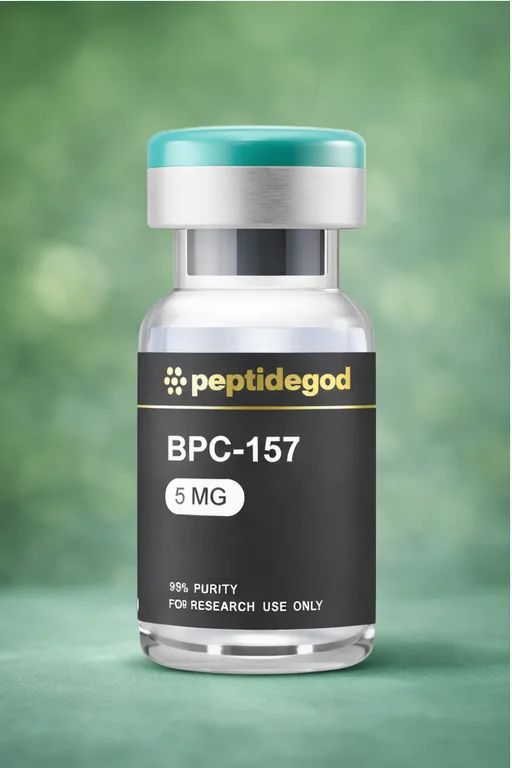
BPC-157, short for Body Protection Compound 157, is a synthetic pentadecapeptide composed of 15 amino acids. Originally derived from a protein sequence found in gastric juice, this compound has attracted significant attention in preclinical research for its apparent ability to accelerate healing across multiple tissue types. Among the most studied areas of its activity is the gastrointestinal tract, where early animal studies suggest it may promote mucosal repair, reduce inflammatory signaling, and support the structural integrity of the intestinal lining. For researchers exploring the bpc 157 benefits in the context of gut pathology, these findings represent a compelling area of ongoing investigation.
Mucosal Repair and Intestinal Lining Integrity
The mucosal lining of the gastrointestinal tract serves as a critical barrier between the external environment and systemic circulation. When this lining is compromised through inflammation, chemical damage, or microbial disruption, a cascade of systemic effects can follow. Preclinical studies involving rodent models have demonstrated that BPC-157 administration, both orally and parenterally, appears to accelerate the healing of gastric ulcers and esophageal lesions. Researchers have observed measurable increases in granulation tissue formation and accelerated re-epithelialization in treated subjects compared to untreated controls.
One proposed mechanism involves the upregulation of growth hormone receptor expression in gut tissue, which may amplify local regeneration signals. Additionally, BPC-157 appears to influence nitric oxide pathways, which play a documented role in regulating blood flow to gastrointestinal tissue and facilitating active repair processes at the mucosal level.
Anti-Inflammatory Effects in the Gut
Chronic low-grade inflammation is a hallmark of numerous gut disorders studied in animal models. Research using rat models of colitis has shown that BPC-157 may reduce the expression of pro-inflammatory cytokines such as TNF-alpha and interleukin-6 in intestinal tissue. These reductions were associated with macroscopic improvements in tissue appearance and reduced histological damage scores in treated animals relative to controls.
The peptide also appears to modulate the activity of mast cells within the gut lining — cells that are central to allergic and inflammatory responses in mucosal tissue. By influencing both upstream inflammatory mediators and local cellular behavior simultaneously, BPC-157 presents a multi-target profile that researchers find particularly noteworthy when examining gut-specific inflammatory cascades.
Intestinal Permeability and Barrier Function
Intestinal permeability, sometimes referred to as leaky gut, describes a condition in which tight junctions between intestinal epithelial cells become disrupted, allowing bacterial fragments and undigested particles to enter systemic circulation. This disruption has been linked in research literature to autoimmune conditions, metabolic dysfunction, and neurological changes via the gut-brain axis. Preclinical data suggests that BPC-157 may help restore key tight junction proteins, including claudins and occludins, which are structurally essential to maintaining a functional epithelial barrier.
Studies examining the bpc 157 benefits in chemically-induced intestinal permeability models have found that treated animals displayed significantly reduced markers of barrier breakdown compared to untreated controls. While human clinical trials remain limited, these early findings have prompted broader interest in the peptide as a research tool for studying gut barrier dynamics and identifying therapeutic targets.
Key Areas of Gut Health Under Investigation
Across the published preclinical literature, several discrete aspects of gastrointestinal function have emerged as active areas of BPC-157 research. These areas reflect the peptide's strong apparent affinity for gut tissue, consistent with its structural origins as a gastric juice-derived sequence:
- Gastric ulcer healing and protection against NSAID-induced damage to the stomach lining
- Esophageal lesion repair in models of reflux-related mucosal injury
- Colitis and inflammatory bowel disease models using rodent subjects
- Intestinal anastomosis healing following surgical resection
- Fistula closure in models of inflammatory gut disease
Each of these research domains contributes to a growing body of evidence regarding the peptide's role in gastrointestinal biology and its potential utility as a subject of targeted biomedical inquiry.
Research Context and Important Limitations
All discussion of bpc 157 benefits must be situated within an appropriate scientific context. The substantial majority of available evidence originates from in vitro studies and animal models, predominantly rodents, with human clinical data remaining sparse. No regulatory agency has approved BPC-157 for therapeutic use in humans, and findings from preclinical models do not automatically translate to human physiology. This article is provided for informational and educational purposes only and does not constitute medical advice. Researchers working with this compound should consult current peer-reviewed literature and comply with all applicable regulations and institutional guidelines governing peptide research in their jurisdiction.
 30 capsules.webp)
 60 capsules.webp)