Is BPC-157 Worth It?
What Is BPC-157 and Why Researchers Study It
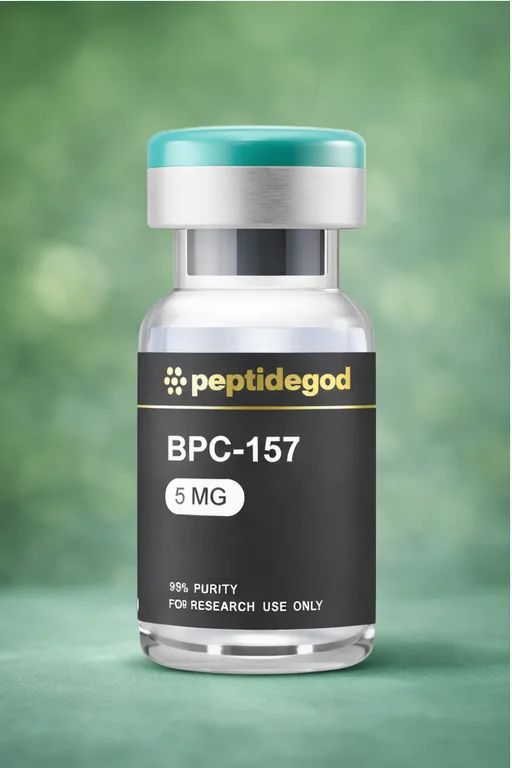
BPC-157 is a synthetic pentadecapeptide composed of 15 amino acids, derived from a naturally occurring protein found in gastric juice. The sequence does not appear in nature on its own but was isolated and stabilized for laboratory study in the early 1990s. Since then, it has attracted significant attention in preclinical research for its apparent ability to accelerate healing across a wide range of tissue types, including tendons, ligaments, muscle, and gut lining. The question researchers and wellness enthusiasts alike keep asking is straightforward: given the volume of animal data now available, is BPC-157 worth investigating further, and what does that evidence actually show?
What the Research Says About Tissue Repair
The bulk of published studies on BPC-157 come from rodent models, and the results have been consistently striking. Researchers at the University of Zagreb, who have produced much of the foundational work, demonstrated accelerated tendon-to-bone healing, improved recovery from transected Achilles tendons, and faster muscle reattachment following surgical injury. The peptide appears to upregulate growth hormone receptors locally and promote angiogenesis, the formation of new blood vessels, which may explain its broad tissue-repair profile. Studies also document reduced inflammation markers and preserved tissue architecture following injury when BPC-157 was administered.
In gut research, BPC-157 has shown particular promise. Animal models of inflammatory bowel disease, stomach ulcers, and intestinal fistulas all showed measurable improvement following BPC-157 administration. This aligns with its origin as a gastric-derived sequence and suggests it may play a natural cytoprotective role in gastrointestinal tissue. For researchers studying mucosal healing and gut barrier integrity, these findings represent some of the most compelling bpc 157 benefits documented to date.
Mechanisms Behind the Effects
Nitric Oxide Pathway Modulation
One of the more studied mechanisms involves BPC-157's interaction with the nitric oxide system. In animal models, BPC-157 appears to counteract the harmful effects of nitric oxide overproduction during inflammation while preserving its beneficial vasodilatory functions. This nuanced modulation may contribute to the peptide's ability to reduce oxidative stress at injury sites without fully suppressing normal healing cascades.
Growth Factor Signaling
BPC-157 has also been linked to upregulation of VEGF (vascular endothelial growth factor) and interaction with the EGR-1 transcription factor. These pathways are directly involved in tissue regeneration and cell migration. Some researchers hypothesize that BPC-157 acts as a kind of signaling amplifier, making injured tissue more responsive to its own endogenous repair mechanisms rather than introducing an entirely foreign biological process.
Limitations and What Is Still Unknown
Despite an impressive body of animal research, BPC-157 has not yet completed randomized controlled human trials for any indication. This is the central limitation when evaluating whether the bpc 157 benefits observed in rodents will translate to human physiology at comparable magnitudes. Peptides frequently show attenuation of effect when moving from animal to human studies due to differences in bioavailability, receptor density, and metabolic clearance. The absence of Phase II or Phase III clinical data means no regulatory body has evaluated dosing safety, long-term effects, or therapeutic thresholds in humans.
Researchers and clinicians working in peptide science generally note several open questions:
- Optimal route of administration (subcutaneous injection versus oral versus topical) remains unestablished in humans
- Half-life in human plasma has not been precisely characterized through clinical pharmacokinetics studies
- Interaction effects with existing medications or conditions are not documented
- Long-term safety data beyond the observation windows used in animal studies does not exist
How Researchers Currently Approach BPC-157
In the research context, BPC-157 is handled as an investigational compound. Preclinical researchers work within institutional protocols and ethics board frameworks when studying its effects in animal models. The peptide is not approved by the FDA or EMA for therapeutic use, and any reference to its bpc 157 benefits in the literature is framed strictly within the context of experimental findings rather than clinical recommendations. Sourcing for laboratory use requires pharmaceutical-grade purity documentation and proper storage at controlled temperatures to maintain peptide stability and structural integrity.
Verdict: Is the Research Worth Following?
From a purely scientific standpoint, BPC-157 is one of the more interesting peptides in preclinical research precisely because its effects span multiple tissue systems and its proposed mechanisms are mechanistically coherent rather than speculative. The consistency of positive findings across independent rodent studies conducted over three decades is unusual. That said, the leap from animal data to human application remains unvalidated, and the research community is appropriately cautious about extrapolating too aggressively. Whether the compound ultimately proves useful in human medicine depends on human trials that, as of now, are still pending. For anyone following this space, the honest answer is that the preclinical case is compelling enough to warrant continued scientific attention, and the next several years of clinical investigation will determine whether that promise is fulfilled.
 30 capsules.webp)
 60 capsules.webp)