Injection Benefits
Why Researchers Choose Injectable Peptides
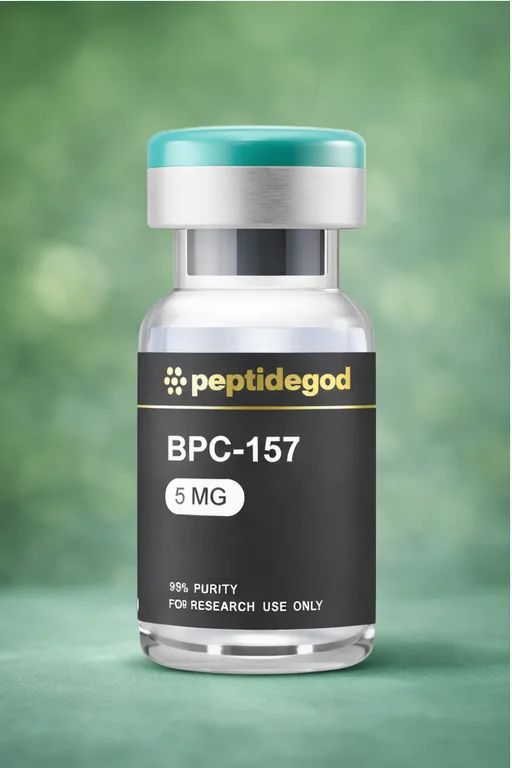
When studying peptides like BPC-157, the delivery method matters as much as the compound itself. Injectable administration — typically subcutaneous or intramuscular — bypasses the gastrointestinal tract entirely, preserving peptide integrity and delivering the compound directly into systemic circulation. Oral peptides face significant degradation from stomach acid and digestive enzymes before reaching target tissues, which dramatically reduces bioavailability. Injectable protocols avoid this first-pass degradation, making them the standard in preclinical peptide research for achieving reproducible and measurable outcomes.
Bioavailability and Pharmacokinetic Advantages
Subcutaneous injection places the peptide into the hypodermis, where a rich network of capillaries absorbs it gradually into the bloodstream. This produces a relatively sustained plasma concentration curve compared to intravenous bolus dosing, which creates a sharp peak that dissipates quickly. Intramuscular injection offers faster uptake than subcutaneous delivery due to higher vascularity in muscle tissue, making it preferable in research protocols that require a quicker onset window. Both routes achieve bioavailability figures that oral delivery cannot approach for most peptide compounds, which is why researchers studying bpc 157 benefits consistently use injectable formats to generate reliable data.
Tissue-Targeted Research Applications
One practical advantage of injection is the ability to administer locally — directly into or adjacent to the tissue under investigation. In animal model studies examining tendon repair, muscle healing, or gastric ulcer resolution, local injection places the compound at the site of injury, potentially increasing local concentration while minimizing systemic exposure. This localized approach has been used extensively in studies exploring the bpc 157 benefits relevant to musculoskeletal repair, where researchers inject near damaged tendons or ligament tissue to observe accelerated fibroblast activity and collagen synthesis. Systemic subcutaneous administration is used when researchers want to study broader effects, such as gut integrity or neurological signaling.
Subcutaneous vs. Intramuscular Placement
The choice between subcutaneous and intramuscular sites depends on the research protocol's pharmacokinetic goals. Subcutaneous sites — commonly the abdomen, lateral thigh, or upper arm — offer slower absorption and are easier to standardize across animal subjects. Intramuscular injection into the quadriceps or deltoid provides faster uptake and is used when researchers need peak plasma levels to occur within a shorter post-administration window. Both methods require aseptic technique, appropriate needle gauge selection, and precise volume calculations to avoid tissue irritation that could confound results.
Stability and Reconstitution Considerations
Peptides used in research settings are typically supplied as lyophilized powder, which must be reconstituted with bacteriostatic water before injection. This form extends shelf life significantly compared to pre-mixed solutions. Once reconstituted, stability depends on storage temperature, exposure to light, and the number of freeze-thaw cycles the solution undergoes. Researchers handling BPC-157 for injection typically store reconstituted peptide at 2-8°C and use it within a defined window to ensure potency. The injectable format demands this careful handling protocol, but it also ensures that the compound administered is chemically consistent — a critical requirement for reproducible experimental outcomes.
What the Research Indicates About Injectable BPC-157
Published preclinical studies examining bpc 157 benefits have primarily used injectable administration routes, providing the strongest available data on this peptide's research profile. Studies in rodent models have reported observations including accelerated tendon-to-bone healing, reduced inflammation markers in gastric mucosa, and modulation of growth hormone receptor expression in injured tissue. Injectable BPC-157 has also been studied in the context of nitric oxide pathway activity, with some research suggesting it may influence endothelial function through interaction with the NO system. These findings are confined to animal and in vitro research; no large-scale human clinical trials have been completed as of the current date.
Key Areas Observed in Preclinical Studies
- Tendon and ligament fibroblast proliferation following local injection near injury sites
- Gastric mucosal repair and cytoprotective effects in ulcer models
- Modulation of inflammatory cytokine expression in muscle tissue
- Angiogenic activity and capillary formation in wound healing models
- Neurological signaling effects observed in dopaminergic and serotonergic pathways
Research Context and Intended Use
All information provided here relates strictly to laboratory and preclinical research contexts. BPC-157 is not approved by regulatory agencies such as the FDA for human therapeutic use, and the injection protocols described apply to controlled research settings, not clinical or self-administration scenarios. Researchers interested in injectable peptide studies should consult peer-reviewed literature, follow institutional animal care guidelines where applicable, and work within the bounds of their regulatory environment. The injection-based delivery advantages described above are relevant specifically because they produce cleaner, more interpretable research data — a prerequisite for advancing any compound from early-stage investigation toward formal clinical evaluation.
 30 capsules.webp)
 60 capsules.webp)